Gold Market Trends and Selling Strategy: When and How to Sell Gold

The best time to sell gold is when prices are strong relative to their recent range, and you have a clear reason to exit-profit-taking, liquidity, or rebalancing. Decide by reading the long-term trend rather than a single day’s move, then confirm the sale fits your own timeline and financial goal.
When Is the Best Time to Take Out a Gold Loan?

Determining the best time to take a gold loan depends on four key variables: current gold market valuations, prevailing interest rates, your eligibility status, and steady cash-flow support. Aligning these four factors ensures you secure maximum loan value while minimizing your borrowing costs and risk.
Gold Plated vs Solid Gold: Differences, Value & Which One to Buy
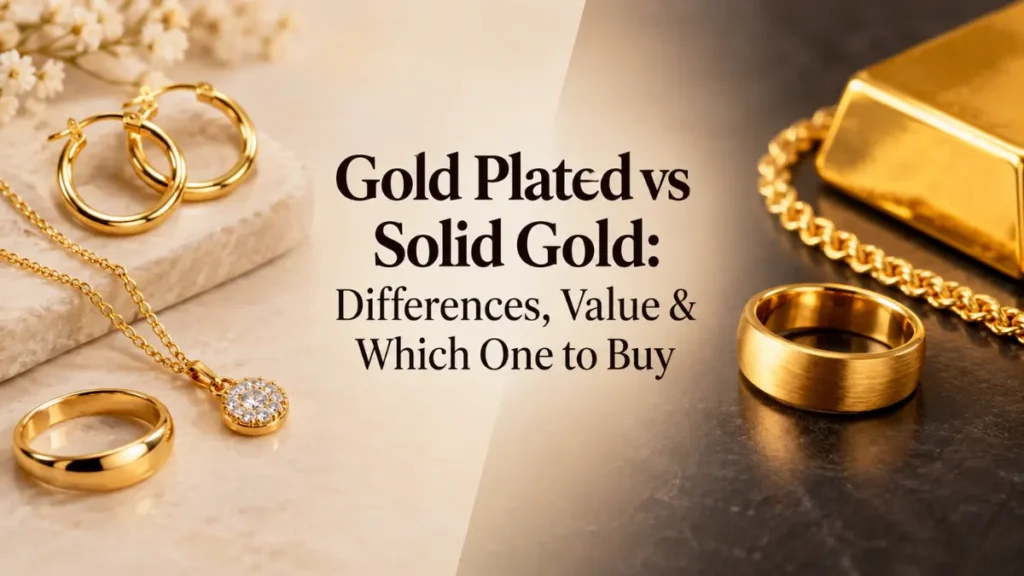
Gold plated vs solid gold comes down to one simple fact: solid gold is a genuine gold alloy all the way through, while gold plated jewelry is a thin gold layer over a cheaper base metal. Solid gold costs more but keeps real resale value over time. Gold plated jewelry is affordable and stylish, but the plating wears thin eventually and the piece has little to no resale worth once that happens.
Why Do Gold Prices Fluctuate and How Does It Affect You?

In short, gold’s price moves because supply and demand shift with the strength of the US dollar, interest rates, inflation, central-bank buying, and global uncertainty-all of which push investors toward or away from gold as a safe, non-yielding asset. That’s what affects gold prices day to day. The rest of this guide breaks down each of those drivers, and-just as important-what the fluctuation actually means for you, whether you’re buying gold or getting ready to sell it.
Is Selling Gold for Cash Legal in Ontario? Here’s What You Need to Know

Yes, selling gold for cash is completely legal in Ontario and across Canada, and you do not need a seller’s licence to do it. What trips people up is not the sale itself but two separate obligations that come along with it: declaring any capital gain to the Canada Revenue Agency (CRA), and the buyer’s duty to report large cash transactions to FINTRAC (the Financial Transactions and Reports Analysis Centre of Canada). This article walks through both, plus how gold gets priced and how to spot a buyer you shouldn’t trust.
How to Sell Gold in 2026: Timing, Fair Pricing, and Finding a Buyer You Can Trust

To sell gold well, start by checking the current spot price so you know what your gold is actually worth. Have your pieces weighed and tested in front of you, gather multiple written offers, and compare them against the spot price before accepting one. Only sell to a legitimate buyer who explains their pricing clearly and never pressures you into a same-day decision.
What’s the Karat Weight of Gold and Why Does It Matter?
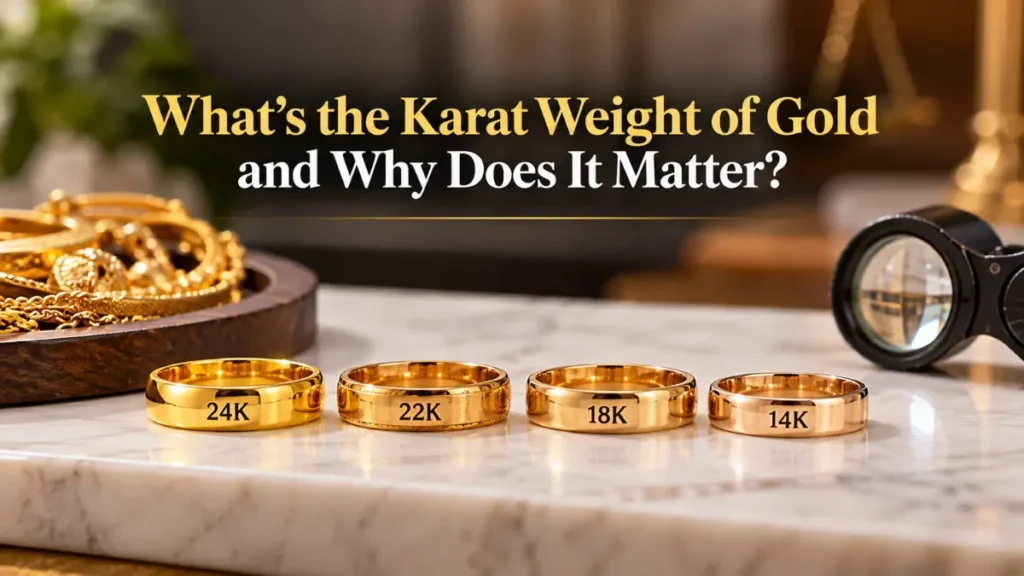
In gold jewellery and bullion, karat measures purity on a 24-part scale, so 24K is pure gold and 14K is 58.3% gold. Karat weight directly impacts your piece’s durability, appearance, and value when buying or selling. Knowing your karat helps you choose the right jewellery and ensures you receive a fair price.
What Questions to Ask a Gold Buyer | Seller Checklist

Ask about the current gold price, purity testing, weighing method, deductions, fees, and payment terms. Compare offers, request a clear breakdown, and get everything in writing before selling.
Gold Loan vs Bank Loan in Canada: Which Should You Choose?
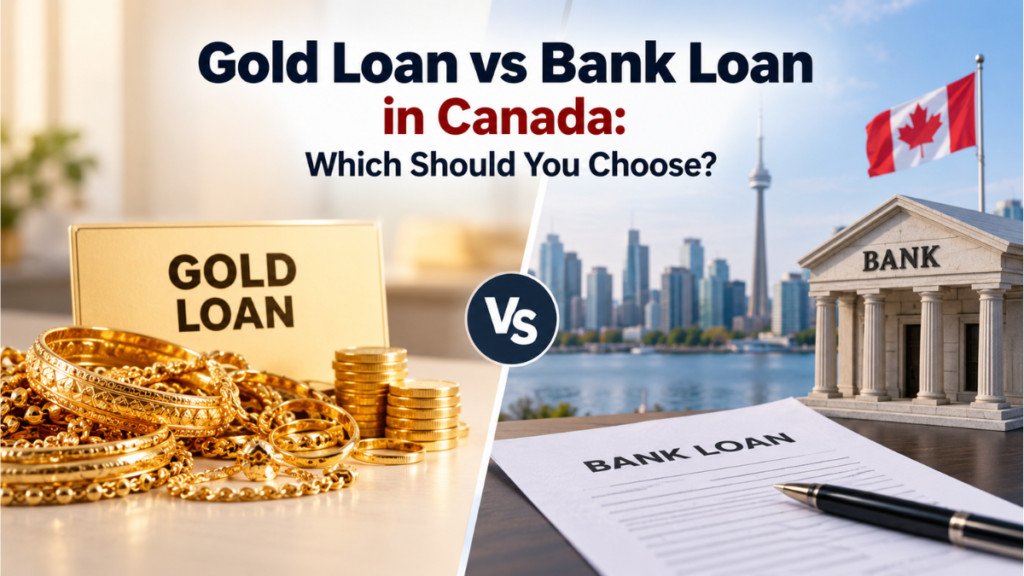
A gold loan can offer quick access to funds using your gold as collateral, while a bank loan may require stronger credit. Choose based on your credit, urgency, loan amount, and repayment ability.
What Purity of Gold Qualifies for a Loan?

If you are trying to work gold loan purity requirements, before you bring in a ring or a chain, here’s what you need to know: most lenders will accept gold from roughly 10-karat and up, and the gold purity for loan approval also shapes how much you can actually borrow. higher purity, the more pure gold sits in every gram, and the larger the loan a lender can reasonably offer against the same piece.