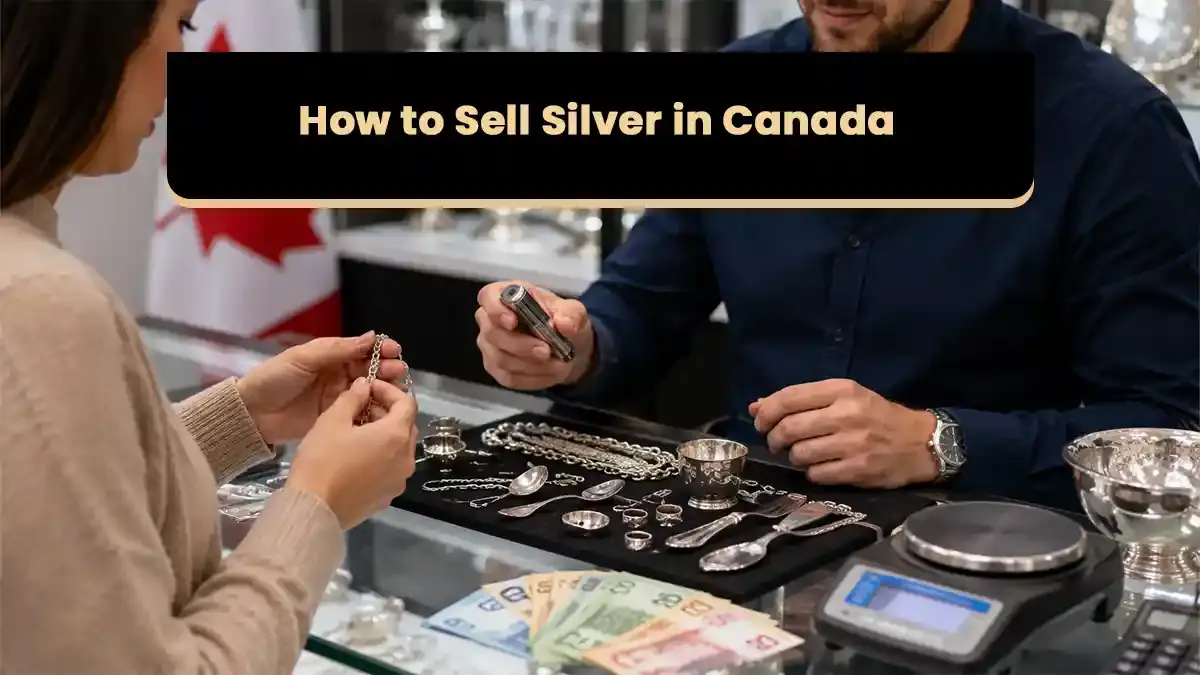
How to Sell Silver in Canada
Most people are careful when they buy silver. But when they want to sell it, they often don’t know what to do. If you have silver coins, bars, flatware, scrap silver, or inherited silver, once you know the simple steps, turning them into cash is pretty straightforward. If you want to learn how to sell silver in Canada, this guide will help you figure out the value of your silver, learn what determines your payout, pick the right buyer, get the best price, and understand the CRA tax rules when you sell.
How to sell silver in Canada: Check the current spot price, identify whether you have recognized coins, bars, or scrap silver, compare quotes from two or three buyers, and choose the offer with the tightest dealer spread to get the best overall payout.
H2 What Determines Your Silver Payout (Spot Price Minus the Spread)
Before you sell your precious metals, it is important to understand how you will be paid. The amount you receive mainly depends on three things: the current spot price of the metal, the product you hold, the buyer you choose, and the dealer’s buying price (called the spread).
- The Spot Price: This is the live global market price for one troy ounce of pure silver. It’s usually shown in Canadian dollars (CAD). This price changes all the time while markets are open. So, check the current spot price right before you contact any buyers.
- That helps you know what a fair offer looks like and avoid getting short-changed.
- The Dealer Spread: Buyers won’t give you the full market price. Instead, you get a little less. The difference helps the buyer cover costs like assay testing, shipping, insurance, inventory risk, and operational overhead and make a small profit. If the spread is smaller, you keep more cash.
Three main factors drive the final payout figure:
- The Product You Hold: Well-known products are easier to verify and sell, so buyers usually pay more for them.
- The Buyer You Choose: Different buyers offer different prices. Online dealers, coin shops, and pawn shops may pay different amounts for your silver.
- Market Timing: When the market changes quickly or many people want to buy silver, the price difference may become bigger or smaller. Market conditions can temporarily widen or narrow dealer spreads, affecting your final payout.
What Your Silver Is Worth: Product Types + How to Estimate Melt Value
The price of silver depends on its form, how pure it is, and its origin.
Recognized Bullion Coins
Coins from established mints such as the Silver Maple Leaf (Royal Canadian Mint), the American Silver Eagle (U.S. Mint), and Britannia (Royal Mint) are the easiest to sell. Their weight and purity are guaranteed, so dealers can usually resell them without extensive verification. This often results in the best buyback prices. If you’re learning how to sell silver coins in Canada, these government-issued bullion coins generally receive the highest payouts.
Silver Bars
When considering how to sell silver bars in Canada, brand recognition matters. Tier-1 minted bars from refiners like RCM, Asahi, PAMP Suisse, or Sunshine Minting are valued highly and easily traded. Plain silver bars without a brand name are still worth money. But dealers might pay a little less for them because they have to check the silver purity.
Junk Silver, Sterling Flatware & Inherited or Foreign Silver
“Junk silver” refers to pre-1968 Canadian coins (containing 80% or 50% silver) and pre-1965 US coins (containing 90% silver). Sterling silver flatware and jewellery typically consist of 92.5% silver. Check local scrap silver price Canada rates to see how these items are valued based strictly on their underlying metal weight rather than collectible value. For foreign or inherited silver, origin is secondary: hallmark stamps like STER, 925, or .999 confirms purity. Antique silver pieces like Tiffany or Georg Jensen can be sold for more in the secondary market than just the price of the silver inside.
How to Estimate Melt Value (The ASW Calculation)
To calculate the Actual Silver Weight (ASW) and estimated melt value of your silver, use this straightforward formula:
ASW (troy oz) = (Weight in Grams × Fineness) / 31.1035
Estimated Melt Value = ASW (troy oz) × Spot Price (CAD)
Example: If you have a 100-gram sterling silver tray (92.5% pure or 0.925 fineness) and the current spot price is $38.00 CAD per troy ounce:
ASW = (100 × 0.925) ÷ 31.1035 = 2.974 troy oz
Estimated Melt Value = 2.974 × $38.00 = $112.97 CAD
You can also use an online silver calculator or request an X-ray Fluorescence (XRF) test at a dealer for an exact reading.
Where to Sell Silver in Canada
Choosing where to sell silver depends on whether you prioritize maximum payout, speed, or local convenience. Finding the best place to sell silver comes down to balancing these trade-offs:
| Sales Channel | Typical Spread / Payout | Speed | Risk / Notes |
|---|---|---|---|
| Online Bullion Dealer | Tightest (highest overall payout) | 2–5 business days | Low risk. Requires fully insured shipping; payout is released after verification. Best for recognized coins and bars. |
| Local Coin & Bullion Shop | Competitive to Moderate | Same-day cash/cheque | Low risk. In-person assessment. Great for scrap silver, estate lots, and flatware. |
| Bank (e.g., TD) | Wide | Several business days | Very low risk. Convenient, but only select bank branches buy back precious metals, usually at wider spreads. |
| Private Sale (Kijiji/FB Marketplace) | Variable (can match spot) | Fast to slow | High risk. No verification procedures, danger of counterparty fraud, and personal safety risks. |
| Pawn Shop / Jewellery Store | Widest (lowest payout) | Immediate cash | Low risk, but high overhead means significantly lower offers relative to melt value. |
Online Bullion Dealer
Online bullion dealers usually show clear and fair prices because their buyback prices are close to the current spot price. You will need to send your silver using insured shipping. They pay you after they check the items. They are usually the best choice if you have well-known bullion coins or a large collection.
Local Coin & Bullion Shop
A local coin and bullion shop is a good choice if you want to be paid the same day or have someone look at your silver in person. Prices can vary from shop to shop, so it’s smart to compare a few offers before you sell. Local shops are also good for scrap silver, silver flatware, and inherited collections.
Bank
Some banks buy back precious metals, but not all branches offer this service. Banks are convenient, but they usually pay less than bullion dealers or coin shops.
Private Sale
A private sale through platforms such as Kijiji or Facebook Marketplace may result in a higher selling price. You’ll need to arrange payment and verify the buyer yourself, which increases both fraud and personal safety risks.
Pawn Shop / Jewellery Store
Pawn shops and jewellery stores can provide immediate cash, but they generally offer the lowest payouts because of higher operating costs and wider dealer spreads.
How to Get the Best Price When You Sell Silver
To get the best price when selling your precious metal, follow these simple steps.
- Check the spot price right before reaching out: Know the standard price in Canadian dollars (CAD) so you can quickly spot a low or unfair offer.
- Get two to three independent quotes: Check buyback prices at a few online dealers and local bullion shops. Even small differences matter, especially when you’re selling a lot.
- Keep bullion in original packaging: Store coins in their original tubes or protective capsules. Keeping them in great condition helps you sell them quicker.
- Sell recognized products over generic ones: Recognized bullion products from established mints usually receive tighter dealer spreads and stronger buyback offers than generic rounds or bars.
- Avoid panic selling: When markets crash or everyone sells at once, dealers get crowded with metal. So the difference between the buy and sell price gets bigger. That means you might get less money for the same metal.
- Know your scrap melt value in advance: if you’re selling junk silver coins or sterling silver flatware, calculate the actual silver weight (ASW) first. This helps you check if the dealer’s offer is fair.
- Bundle your items: If you’re selling a large amount, you may be able to negotiate a better price with the dealer.
Tax on Selling Silver in Canada
Knowing the tax rules before selling silver can help you avoid tax surprises later.
- Capital Gains Treatment: Profits earned from selling precious metals in Canada are generally treated as capital gains by the Canada Revenue Agency (CRA). Generally, only 50% of your capital gain is taxable at your marginal tax rate. This is general information, not tax advice. Always confirm your tax situation with the CRA or a qualified accountant.
- Calculating Gain: Your taxable gain is calculated as your total sale price minus your original cost basis (purchase price plus fees). Always keep your original purchase receipts.
- Exemptions vs. Gains: While buying investment-grade silver bullion (.999+ fine) is GST/HST-exempt in Canada, selling it for a profit is not tax-free.
- Tax-Advantaged Accounts: Silver held within eligible RRSP or TFSA self-directed accounts follows standard tax-deferred or tax-free withdrawal rules.
Disclaimer: The tax info here is just for general learning. It’s not professional tax or legal advice. Always talk to a certified accountant, a CPA, or a financial advisor about your own tax situation.
FAQ
Is it worth selling a small amount of silver?
Yes. Even a small amount of silver can be sold. Online dealers may not be practical for small amounts because of shipping costs, so a local coin shop or precious metal buyer is usually the better choice. They will often buy single coins, small bars, or even scrap silver and pay you right away.
Do I need ID or paperwork to sell silver in Canada?
Yes. In Canada, trusted bullion dealers and coin shops must check who you are by law. This is to stop money laundering. You’ll usually need to show a valid photo ID, like a driver’s license or a passport, when you buy or sell.
How do I sell inherited or foreign silver I can't identify?
Look closely for marks like 925, STERLING, .999, or official mint marks. If you can’t tell, take the pieces to a local coin shop or metal dealer. They can check the purity quickly with an XRF machine that doesn’t damage them.
What is the scrap silver price in Canada right now?
The value of scrap silver depends on how much pure silver is actually in the item. You multiply that by the current price of silver in Canadian dollars. Dealers usually pay a little less than that price to cover their refining costs.
Conclusion
Learning how to sell silver in Canada is easier when you know what you have, check the current spot price, estimate your silver’s value, and compare offers from a few trusted buyers before you sell. Taking a little extra time can help you get a better price and avoid a low offer. Keep your purchase receipts and understand the basic CRA tax rules, especially if you make a profit.