
Selling Gold After a Divorce or Breakup: What to Do With the Ring
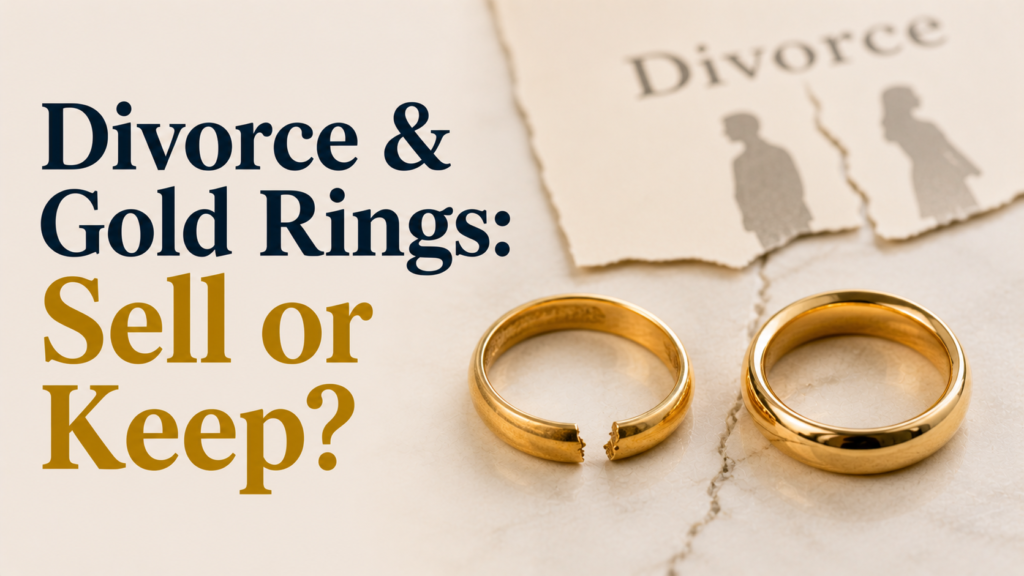
After a divorce or breakup, you can sell your gold ring, keep it, repurpose it into new jewellery, or donate it. If you were married, the ring is generally yours to decide what to do with, although ownership can depend on local laws and how the ring was given. Consider its emotional and financial value before making a decision.
Broken, Tangled & Single Earrings: What Counts as Scrap Gold and What It’s Worth
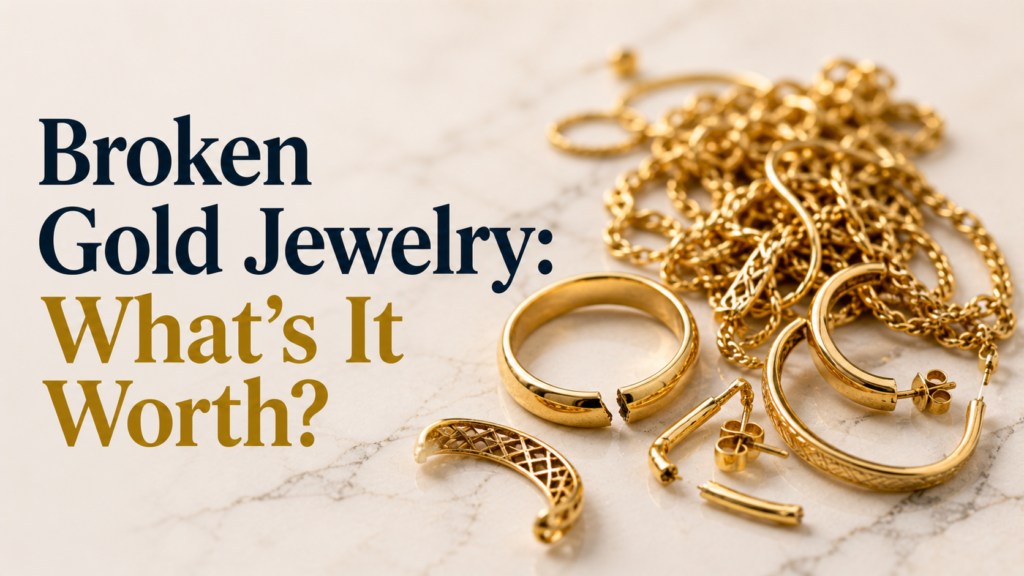
Yes. Broken, tangled, mismatched, or single pieces of gold jewellery are still considered scrap gold. Their value is mainly based on gold purity (karat) and weight, not condition or whether the piece is complete.
A single earring, broken chain, bent ring, or jewellery with a missing stone can still have value. You don’t need to repair or match the pieces before selling them.
Can You Sell Dental Gold? What Crowns, Bridges & Fillings Are Worth
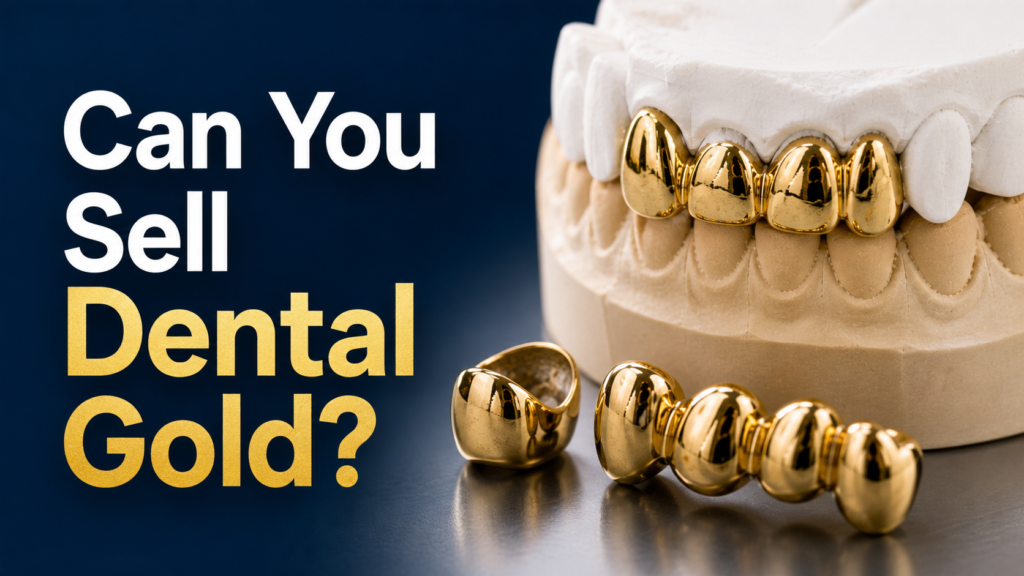
Yes, it is possible to sell dental gold. When dental work is extracted and no longer serves a useful function, it isn’t trash but rather a source of raw materials. Its worth is set by the same things that price any scrap metal: weight, purity, and the current scrap gold prices on the day you […]
Is Selling Gold Taxable Income in Canada?
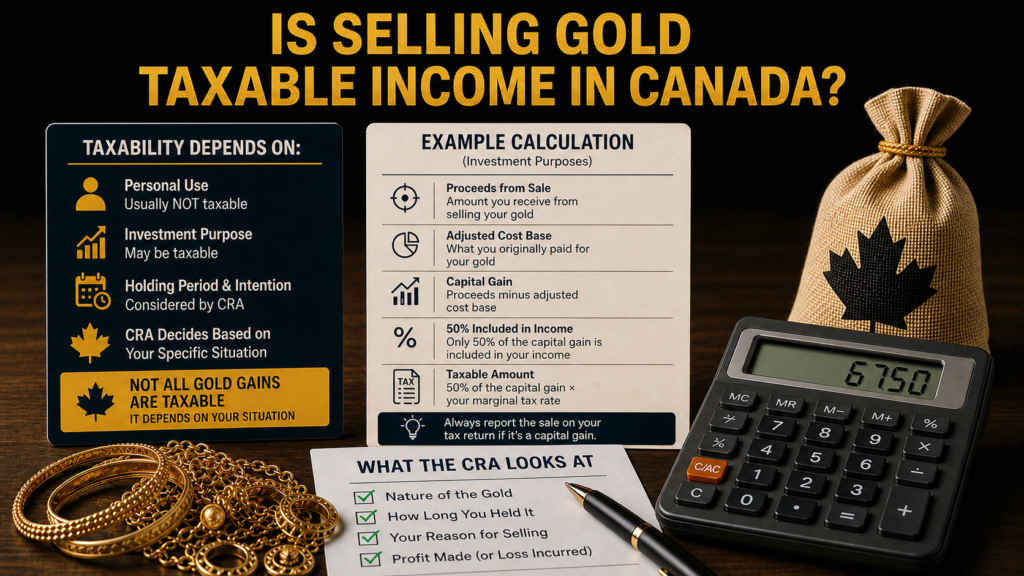
Yes, selling gold in Canada can trigger tax obligations if you sell it for more than your original purchase price. The resulting profit may be treated as a capital gain and generally needs to be reported to the CRA, although certain small personal-use sales may be exempt under specific rules.
How Fast Can I Get Money From a Gold Loan?
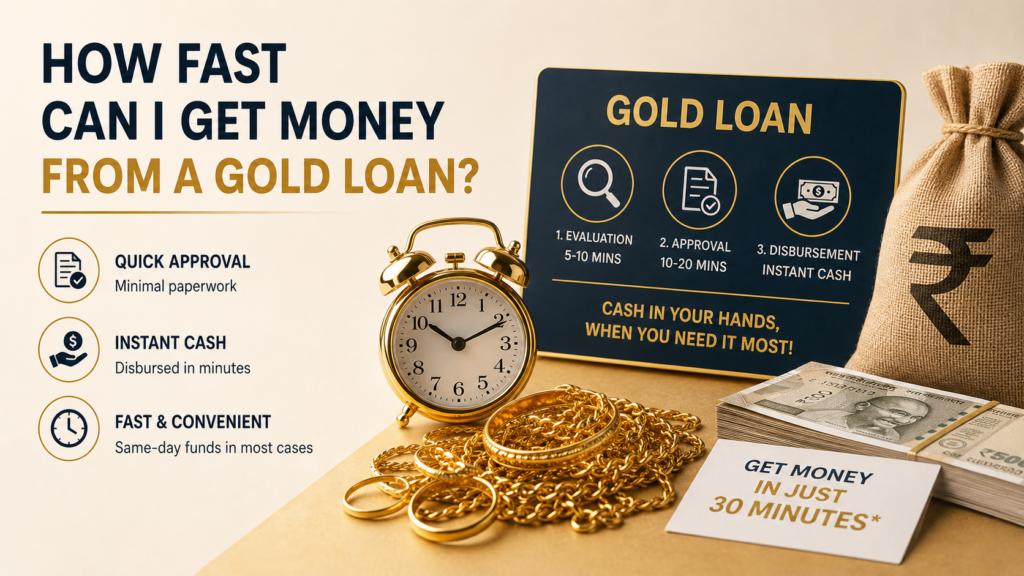
In Canada, you can usually get money from a gold loan the same day. In many cases, the in-store process takes about 15-30 minutes once you bring your gold and valid photo ID. The exact time may vary depending on how busy the store is, how you choose to receive the money, and how quickly your gold can be assessed.
How Do I Know If a Gold Buyer Is Legitimate?
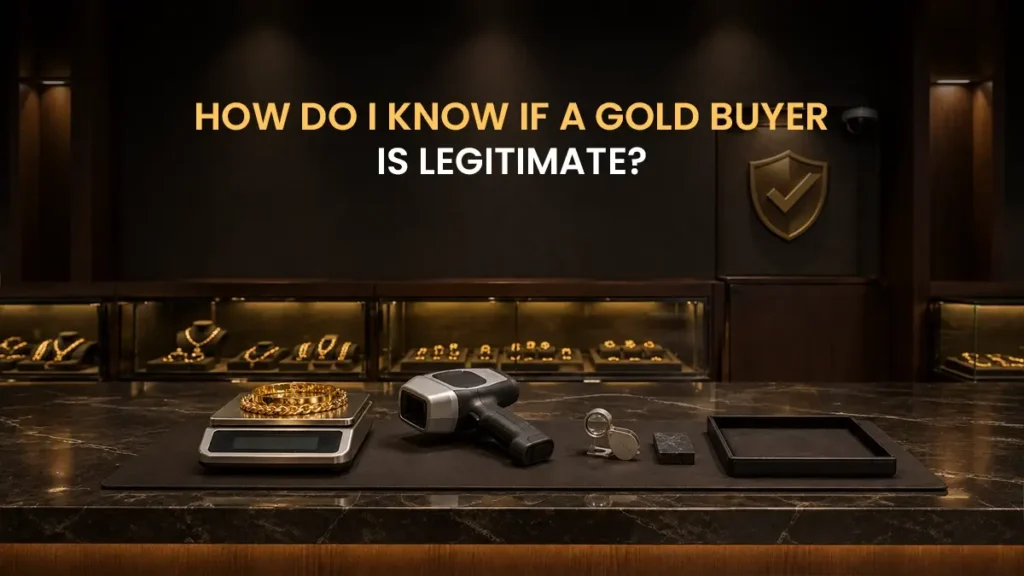
A trustworthy gold dealer will be licensed and registered, do a test and measurement of your gold items in front of you, price your gold items based on the live spot price, and provide you with a clear written offer with no pressure. If it is not present, do not ignore it, but rather consider it a warning.
Why Your Payout Differs From the Gold Price in the News (Spot vs Payout)
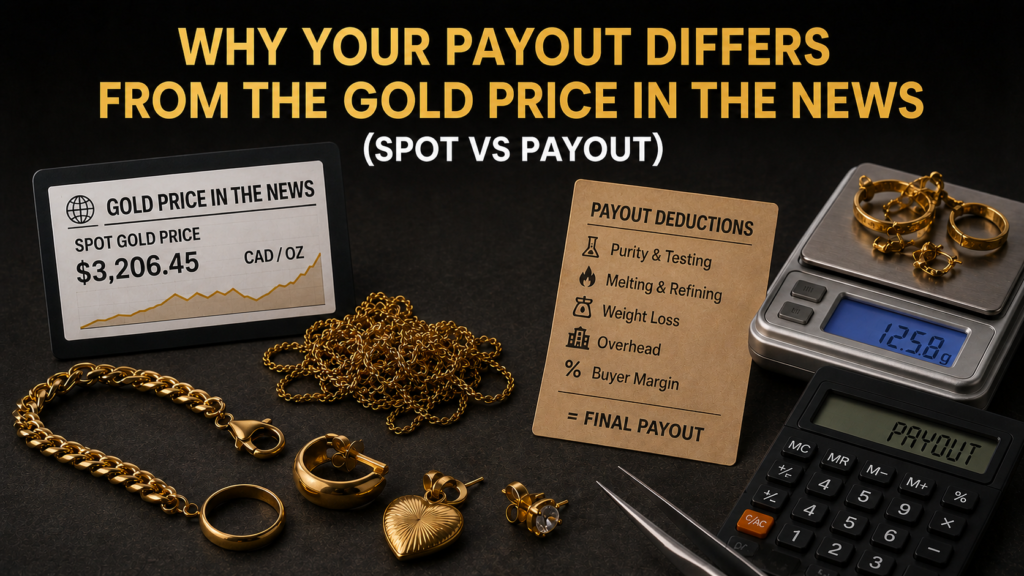
The gold price per gram you see in the news is the spot price of pure, 24-karat gold, traded in large wholesale quantities. Your payout is a percentage of the melt value of your specific item, which accounts for its actual purity, minus the buyer’s costs to test, refine, and process it, plus their margin. A fair offer from a reputable buyer usually lands between 70% and 90% of melt value; pawn shops and less transparent buyers tend to pay less.
How Much Can I Borrow Against My Gold?
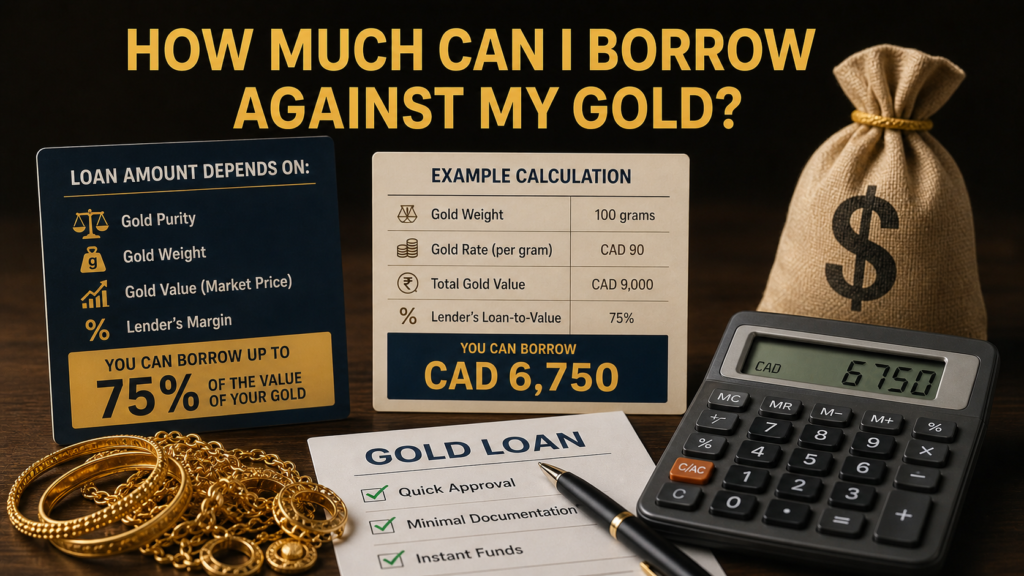
How much can you borrow against your gold? In Canada, most lenders will advance 60 to 75 percent of your gold’s current market value. This percentage is called the loan-to-value (LTV) ratio, and where the exact figure lands within that range depends on your gold’s weight, its karat or purity, and the day’s gold price.
Local Jewelers vs Online Gold Buyers: Which Pays Better?

For most Ontario sellers, a local licensed buyer, such as a specialist dealer or a reputable jeweller that bases its offer on current spot prices, is usually the better choice. You can see the testing process, discuss the offer directly, negotiate when appropriate, and receive your money the same day. There is also no need to ship your gold and wait for an appraisal.
The main exception is location. If you live in a remote area and cannot find a reputable local buyer nearby, an online mail-in service can be a reasonable alternative.
For everyone else, the in-person option generally offers a better combination of payout, control, speed, and safety. When you are ready to compare your options, you can sell your gold to a local licensed buyer and get an in-person evaluation.
Will Gold Prices Go Down in 2026? A Seller’s Forecast
However, it may face a short-term downtrend due to the ongoing influence of interest rates, investor sentiment, and the U.S. dollar. But many analysts still think that gold will maintain its historically high prices throughout the year 2026. With an international gold price being a factor, the Canadian dollar also plays a role in how much you’ll receive in the end as a Canadian seller.