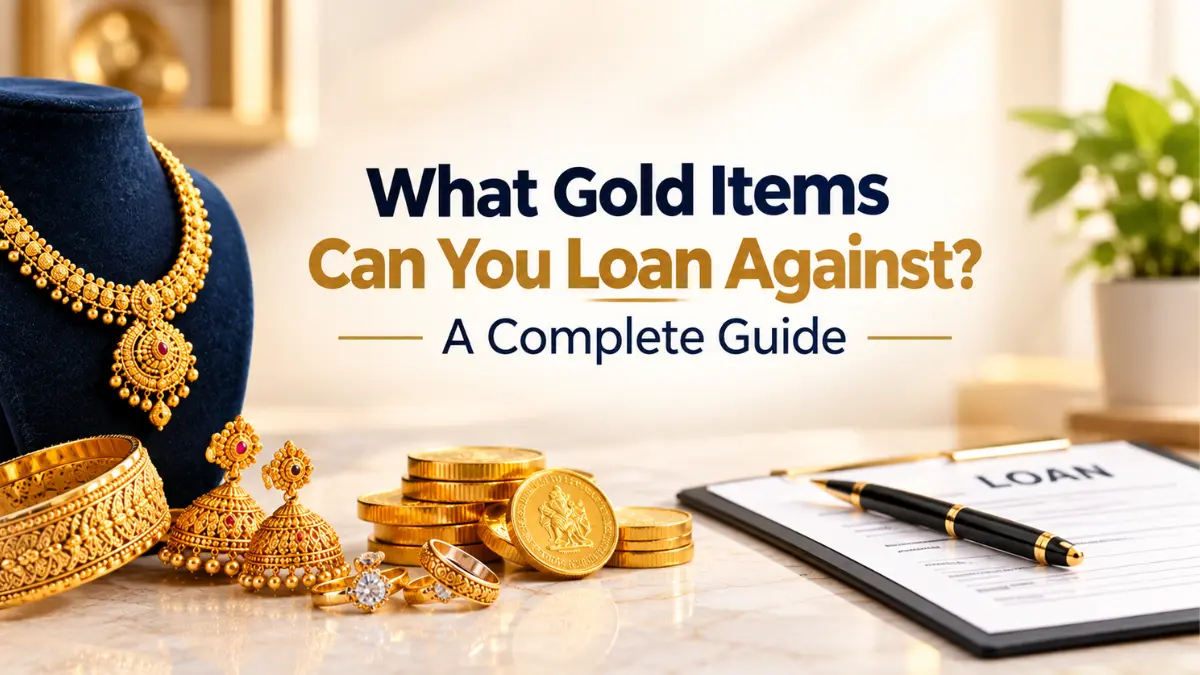
Pledging gold lets you access quick liquidity without forfeiting ownership. However, before applying, you must verify whether a lender’s appraisal model accepts your specific items. Determining which gold items qualify for a loan comes down to form, purity, net weight, and testing accessibility. While solid bullion, standard investment coins, and hallmarked jewellery regularly pass appraisal, plated pieces, costume items, and paper assets are routinely rejected. Lenders also look at the underlying metal value rather than what you originally paid for an item. Current gold prices, purity, and net gold weight are more important than sentimental value, retail pricing, or a collector’s premium. This guide explains which gold items may qualify, how lenders assess them, and which items are commonly refused.
How Lenders Decide Which Gold Items Qualify
Before approving a loan, lenders need to determine how much recoverable gold an item contains and how easily they could sell or refine it if the borrower does not repay the loan. Three factors are particularly important: purity, weight, and the ability to verify the gold content. These checks help the lender estimate the item’s real collateral value and decide how much it is willing to lend.
Purity and Karat Thresholds
Gold purity is measured in karats or fineness. Common jewellery grades include 10K, 14K, 18K, and 22K. For example, 10K gold contains about 41.7% pure gold, while 22K gold contains about 91.6% pure gold.
Investment-grade bullion is usually 24K and may be marked .999 or .9999 fine. Many lenders use 10K as a minimum for jewellery and ornaments, although requirements can vary. Items below this level may contain too little recoverable gold to be practical collateral. Bars and investment coins generally require much higher purity, commonly .999 or better.
Weight and How It's Measured
Lenders usually measure gold in grams or troy ounces. However, the item’s total weight is not always the same as its gold weight. For example, a ring may contain gemstones, a necklace may have non-gold components, or a piece may include a heavy steel spring lock. The appraiser accounts for these materials and determines the net weight of the gold itself. That net gold weight, together with the verified purity, is then used to estimate the item’s underlying metal value.
Gold Coins You Can Loan Against
Gold coins for loan collateral are often relatively easy to assess because many bullion coins have standardized weights and purities. Their recognizable specifications can also make them easier for lenders to verify and resell.
Bullion Coins
Government-minted bullion coins are generally among the most readily accepted gold coins. Their standard weight, purity, and recognizable designs make them highly liquid compared with unusual or unmarked gold pieces. Common examples include the GTA gold buyers. Bullion coins from recognized mints are generally straightforward to test and value. However, acceptance still depends on the lender’s own requirements, testing process, and lending policies.
Numismatic and Collectible Coins
Rare and historical gold coins can be worth considerably more to collectors than their raw gold content. This additional amount is known as numismatic value or a collector’s premium. However, many asset-backed lenders do not include the full collector premium when calculating a loan offer. Instead, they may base the offer mainly on the coin’s underlying melt value. Consequently, numismatic coins carrying steep collector premiums often yield loan offers equivalent only to standard bullion of the same weight and purity.
Worn or Damaged Coins
Physical wear such as scratches, dents, or surface bending does not disqualify a gold coin, as its underlying valuation remains tied directly to its recoverable metal content.
Gold Jewellery and Ornaments
A gold jewellery loan can allow you to use personal gold pieces as collateral without selling them. Rings, necklaces, bracelets, chains, and other jewellery may qualify when they contain sufficient solid gold and meet the lender’s purity requirements. When pledging gold ornaments for a loan, keep in mind that appraisers calculate value strictly from recoverable precious metal, disregarding retail markups, intricate craftsmanship, or emotional value.
Solid Gold vs. Gold-Plated or Gold-Filled
The main issue is whether the item contains enough solid gold to have meaningful melt value. Solid gold jewellery can qualify when it meets the lender’s minimum purity requirements. Gold-plated, electroplated, and gold-filled items are different because they use a relatively thin layer of gold over another material, such as brass or silver. Most of the item’s weight comes from the underlying metal. As a result, these pieces generally do not contain enough recoverable gold to be useful as loan collateral.
Hallmarked vs. Unmarked Pieces and How Purity Is Tested
A hallmark can provide an initial indication of an item’s purity. Common markings include 10K, 14K, 18K, 750, and 916. However, a hallmark does not necessarily determine the final loan value. Lenders generally test the item themselves to verify its actual composition.
Depending on the lender and the item, testing may involve a nitric acid scratch test or a handheld X-ray fluorescence (XRF) analyzer. These methods help the appraiser establish the gold’s purity before calculating its value.
Jewellery Set With Gemstones
Gemstones and other non-gold components can affect the valuation of jewellery. When assessing stone-set pieces, lenders generally account for the weight of diamonds, coloured gemstones, pearls, settings, and other materials. Unless a gemstone is large, certified, and has substantial independent value, the loan offer will generally focus on the value of the gold itself rather than the jewellery’s retail or decorative value.
Other Gold Items: Scrap, Dental, and Broken Gold
Gold does not have to be in perfect condition to have value. Broken chains, single earrings, damaged bands, and other scrap pieces may qualify because the gold can still be recovered through refining. These items are generally assessed according to their net gold weight and purity. Physical damage does not automatically make them ineligible.
Dental gold can be more difficult to evaluate. Dental alloys may contain metals such as palladium or nickel alongside gold, so additional testing may be necessary to determine the recoverable gold content. Because of the added testing and refining uncertainty, some lenders may offer a lower initial loan-to-value (LTV) for dental gold. Acceptance also varies by lender, so it is useful to check the lender’s policy before bringing dental gold for appraisal.
Gold Items Lenders Usually Won't Accept
Some gold-looking items do not contain enough recoverable gold, while others are too difficult or costly for lenders to verify. Common examples include:
| Item | Why it's usually refused |
|---|---|
| Gold-Plated / Gold-Filled Jewellery | The gold is limited to a surface layer, leaving little recoverable gold and limited melt value. |
| Costume/Fashion Jewellery | These pieces are generally made from base metals such as brass, copper, or nickel rather than solid gold. |
| Gold Leaf & Rolled Foil | The material is extremely thin and can be difficult to separate, handle, and melt efficiently. |
| Paper / Digital Gold | These products represent contractual or digital claims rather than physical gold that a lender can take into its possession. |
| Raw Unrefined Ore & Gold Dust | Purity can be difficult to verify, and impurities or other substances can create additional processing risks. |
Endorsers generally refuse these items because determining their true gold content may be too difficult, expensive, or uncertain. Secured lending relies on physical collateral that the lender can verify, control, resell, or refine if necessary.
How the Type of Gold Affects Your Loan Amount
The type of gold you pledge can affect both the amount you can borrow and the terms of the loan. Standardized bullion is usually easier to verify and resell, which can make it eligible for a higher loan-to-value ratio. Jewellery and scrap gold may involve more testing, refining, or valuation uncertainty. This can result in a lower LTV or a higher rate.
The figures below are general ranges, not guarantees. Actual terms vary by lender and can depend on purity, weight, current gold prices, market conditions, and the ease of reselling or refining the item.
| Gold Item Type | Typical Loan-to-Value (General Range) | Notes |
|---|---|---|
| Bullion Coins & Assayed Bars | 80% – 90% | Higher LTV may be available because purity is standardized and the gold is highly liquid. |
| Hallmarked Gold Jewellery | 60% – 75% | LTV may be lower because of refining costs, purity checks, and deductions for gemstones or other components. |
| Scrap, Broken & Dental Gold | 50% – 65% | LTV may be lower because of melt losses, alloy testing, and uncertainty about the final recoverable gold content. |
Before applying, cross-reference your item’s net weight against live spot prices on financial tracking platforms to estimate its base melt value. You can also consult GTA Gold Buyers for a professional assessment and a clear understanding of your item’s potential value.
Keep in mind that the lender’s offer may be below the full market value of your gold. LTV limits, testing costs, refining considerations, and lending risk can all affect the final amount.
What You Need Before Pledging Gold
Having your documents ready can make the appraisal process easier. Depending on the lender, you may need:
- Government-Issued Photo ID: A driver’s license or passport may be required to verify your identity and meet anti-money laundering requirements.
- Proof of Ownership: Original receipts, purchase invoices, or certificates of authenticity can help establish ownership, particularly for valuable jewellery and bullion.
- Existing Documentation: Assay certificates, original packaging, or previous valuation reports can help verify the identity and specifications of high-value gold.
The lender will normally test the gold before finalizing the loan terms. On-site testing may use non-destructive methods, although the exact process varies according to the lender and type of item.
While documentation doesn’t guarantee a specific LTV ratio, presenting original purchase invoices or assay certificates accelerates the appraisal and shortens payout times.
Conclusion
Securing a gold loan comes down to three factors: verifiable purity, net metal weight, and immediate liquidity. If your items meet basic karat thresholds and consist of solid alloy rather than plated surface layers, they can serve as effective collateral. Before applying, check your item’s purity and hallmarks and gather any receipts, certificates, or proof of ownership you have. Knowing the approximate weight and purity can also help you understand how a lender may value the gold.
FAQ
What is the minimum purity of gold accepted for a loan?
Many lenders set a minimum of 10K, or about 41.7% pure gold, for jewellery and ornaments. Requirements vary between lenders, so 10K should not be treated as a universal rule. Investment bars and bullion coins generally require much higher purity, commonly .999 fine or better.
Can I get a loan against gold jewellery, or only coins and bars?
You can generally use solid gold jewellery as collateral, not just coins and bars. Rings, necklaces, bracelets, chains, and other ornaments may qualify if they meet the lender’s purity requirements. The offer is normally based on net gold weight and karat purity rather than the original retail price, design value, or sentimental value.
Do lenders accept gold-plated or gold-filled items?
Generally, no. Gold-plated and gold-filled pieces contain a relatively thin layer of gold over another metal. Most of the item’s weight therefore comes from the underlying material, leaving too little recoverable gold for the lender to treat it as useful collateral. Solid gold with sufficient purity is much more likely to qualify.
Can you borrow against collectible gold coins?
Yes, some lenders accept collectible or numismatic gold coins. However, the loan value may not reflect the coin’s full collector price. Many asset-backed lenders calculate the offer mainly from the coin’s raw gold content and melt value. A rare-coin or numismatic premium may therefore not be included.